


Urtica diocia (Stinging Nettle)


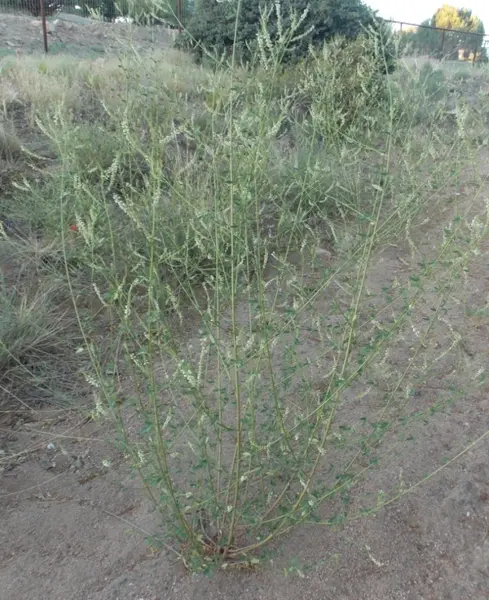
While hiking around the Verde River this past month, we came upon some nettle. The scientific name for this non-native perennial is Urtica diocia. Urtica in Latin means nettle, while dioica means dioecious. Common names for this plant include nettle(s), stinging nettle, California nettle, slender nettle, and tall nettle.

-The leaves are opposite, bearing stipules; the blades range from a narrow oval to lance-shaped; and the margins are coarsely to doubly saw-like or toothed. The plant grows erect with stinging and non-stinging hairs. When touched, it causes stinging, burning, and may also form a rash.

Habitat includes weedy places near creek banks in partially shady areas.
Medicinal actions/properties: Alterative. Anti-bacterial. Anti-histamine. Anti-inflammatory. Astringent. Alkalinizing Diuretic. Expectorant. Galactagogue. Hemostatic. Lithotriptic. Liver Excess and Uterine Tonic.
Uses: Hair, scalp, and bone; nerve, uterine, and reproductive (male and female) tonics; cystitis; genitourinary system; liver problems; allergies; hay fever; use during pregnancy to enrich and increase the flow of mother’s milk, and to help relieve water retention; enlarged prostate (BPH) (root); activates metabolism; growing pains in children; helps alleviate PMS and menopause symptoms; strengthens kidneys; edema; herbal stimulants (seeds); lung and stomach tonic; anemia; helps to stop bleeding; helps with asthma, urinary complaints, urinary stones, nephritis, diarrhea, dysentery, hemorrhoids, arthritis, rheumatic problems, nasal and respiratory issues such as bronchitis, coughs, runny nose, chest congestion, whooping cough (pertussis) and tuberculosis; increases estrogen levels, which can help with short-term memory; and elevates moods in Alzheimer’s patients; prevention and treatment of kidney stones, gout, hives, laryngitis, sciatica; reduces leg cramps and menstrual cramps; menorrhagia; and illnesses that involve excess mucus.

Contraindications: Use gloves and tongs when picking leaves or it will sting and cause a rash. Never harvest after flowers appear because it could cause UTI. For pregnancy, it is recommended to decoct tea or do an overnight infusion in normal quantities for the mineral content.
How to use: Make a tea by adding 1 Tbsp. to 1 cup of boiling water. Turn the heat off and allow it to infuse with a lid for 15-20 minutes. Cook and eat like spinach (it takes like spinach to me). Grind dried leaves into a powder and include in smoothies or other recipes for additional nutrition.
Resources:
The Science & Art of Herbalism Rosemary Gladstar’s Herbal Recipes for Vibrant Health The Way of Herbs by Michael Tierra, L.Ac., O.M.D.
The Green Pharmacy by James A. Duke, Ph.D.
Herbal Medicine from the Heart of the Earth by Dr. Sharol Marie Tilgner https://swbiodiversity.org/seinet/taxa/index.php?tid=3179&taxauthid=1&clid=0#
Please visit me online at www.peasbeewithewe.com
You can also view the following:

Comments